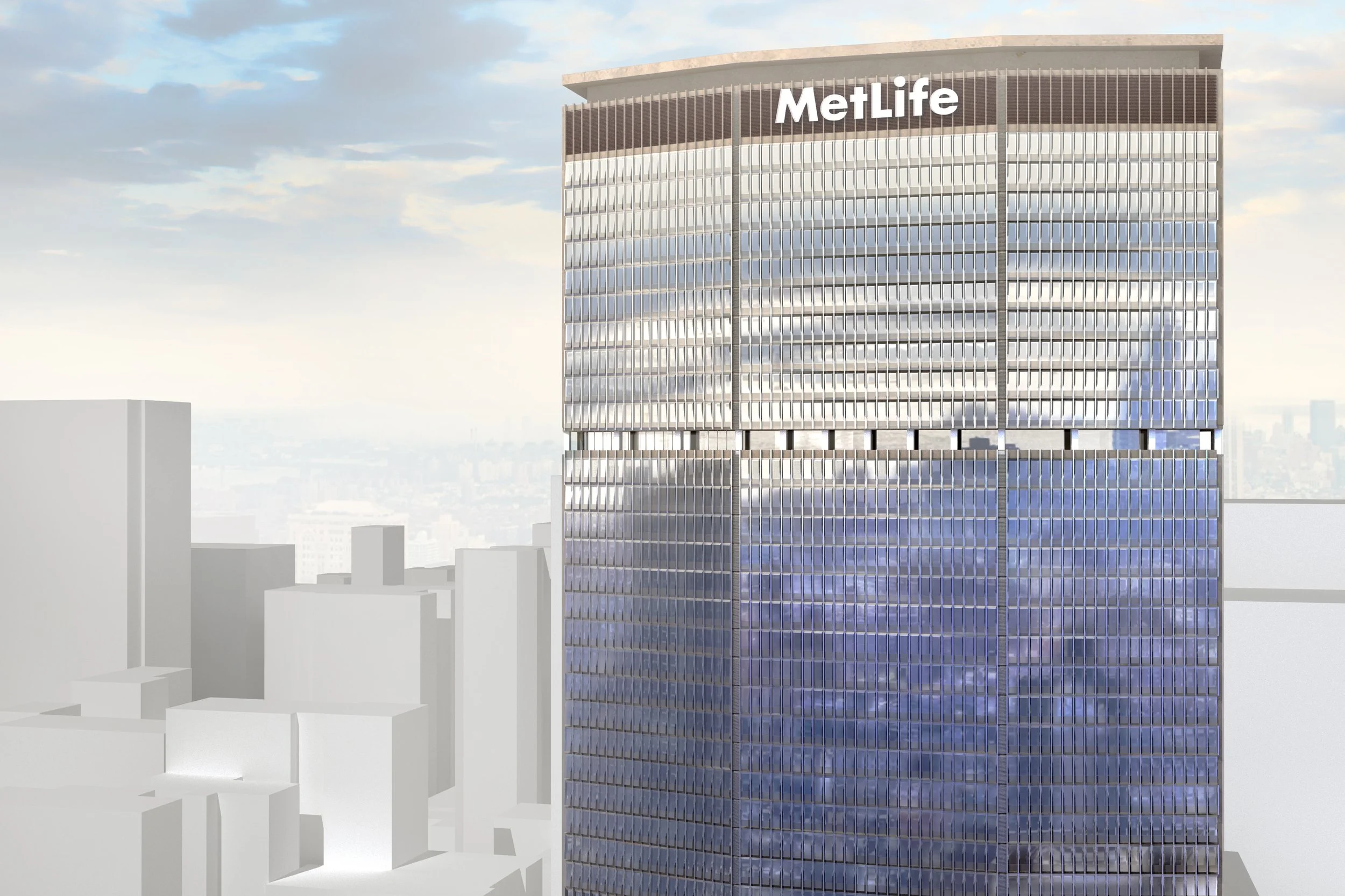
CASE STUDY | METLIFE BUILDING
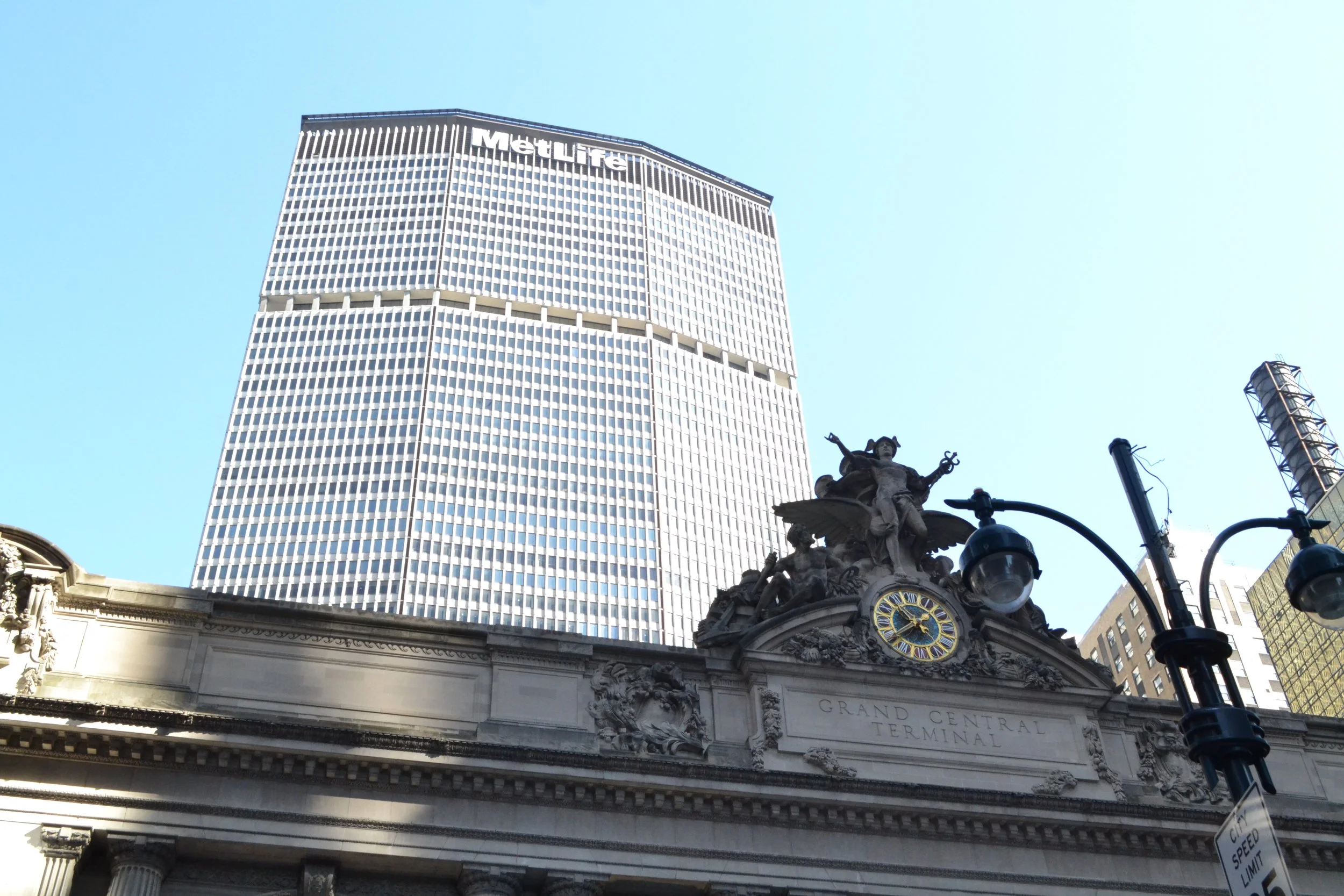
The Building:
New York’s iconic Met Life building, designed by Walter Gropius in collaboration with Pietro Bulleschi and Emery Roth & Sons was completed in 1963 and stands as a testament to modernist architecture. Sitting atop Grand Central Station, it is the terminus for Park Avenue. It’s visibility as an historic building makes it a perfect candidate for the Thermalswitch BEX™ system.
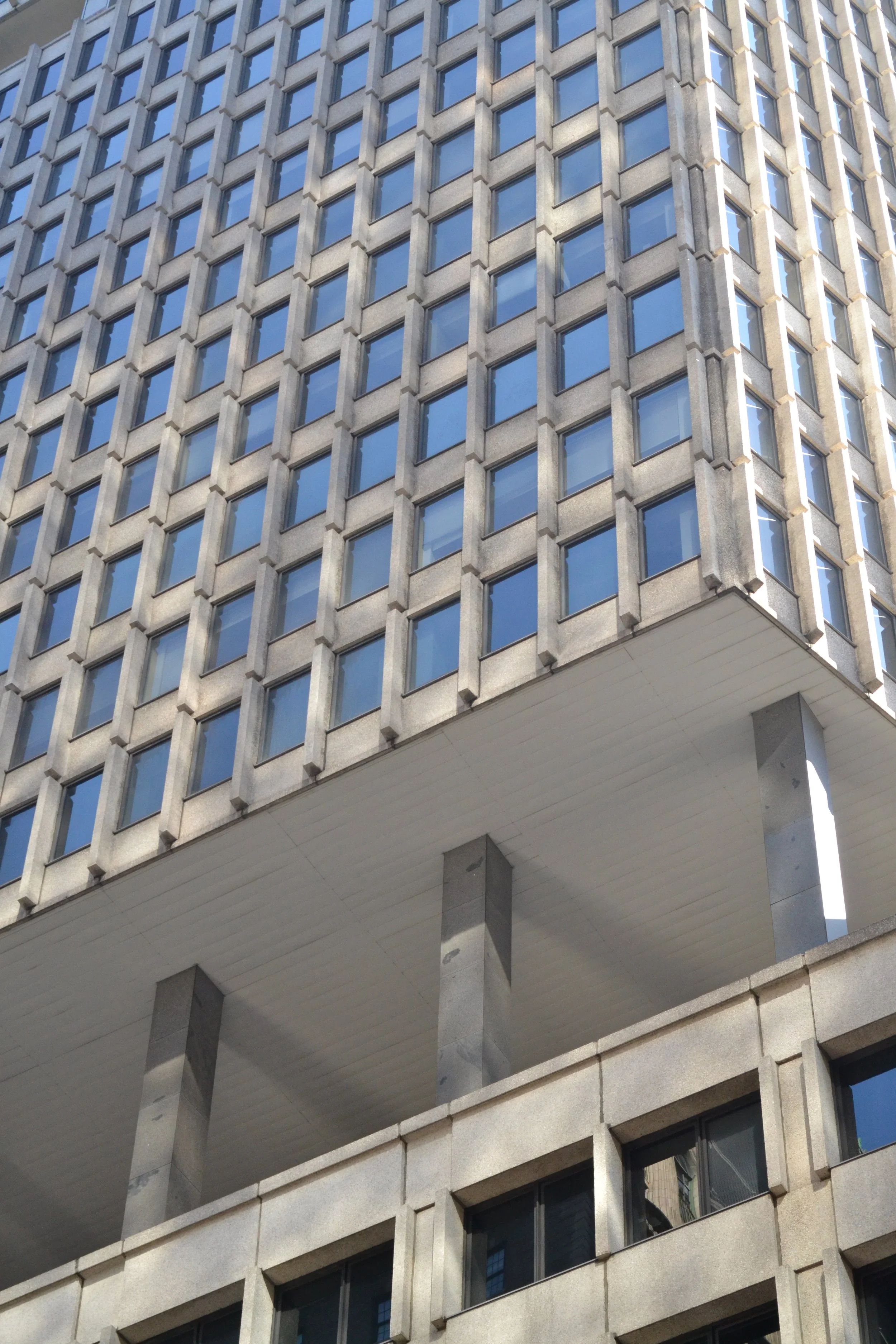
The original façade utilizes a precast concrete unit with alternating infill precast panels to create the signature punched windows, precast fins, and spandrels which are hung on a steel structure. As with most buildings from that era, it is brilliant in it’s design but does not meet the energy code requirements of today.
The Intervention:
When modernizing the exterior envelope of such an seminal building, there a number of different approaches that façade retrofits can take which are:
Replacement
Recladding
Overcladding
Double Skin
When it comes to the preservation of an historic building - like The Met Life Building - the first two could be argued as the most appropriate although probably not the most financially feasible.
In this case study, we considered hybridizing the overcladding and double skin techniques to create a unitized frame which mounts directly over the existing precast panels. The Met Life façade is constructed of a primary precast panel with integrated fins on both sides that alternates every other bay. Between these primary panels, secondary infills are set at the spandrel conditions.
Because the Thermalswitch BEX™ unit is designed to fit over the existing single floor unit - once the units are unloaded on a floor above, the existing glazing is removed and they are set via a custom horizontal slide and floor crane through the opening of the precast unit. The animation below shows the full removal of the existing window and installation of the Thermalswitch BEX™ panel along with the new punched window with integrated trickle vents to improve indoor air quality along with thermal performance.
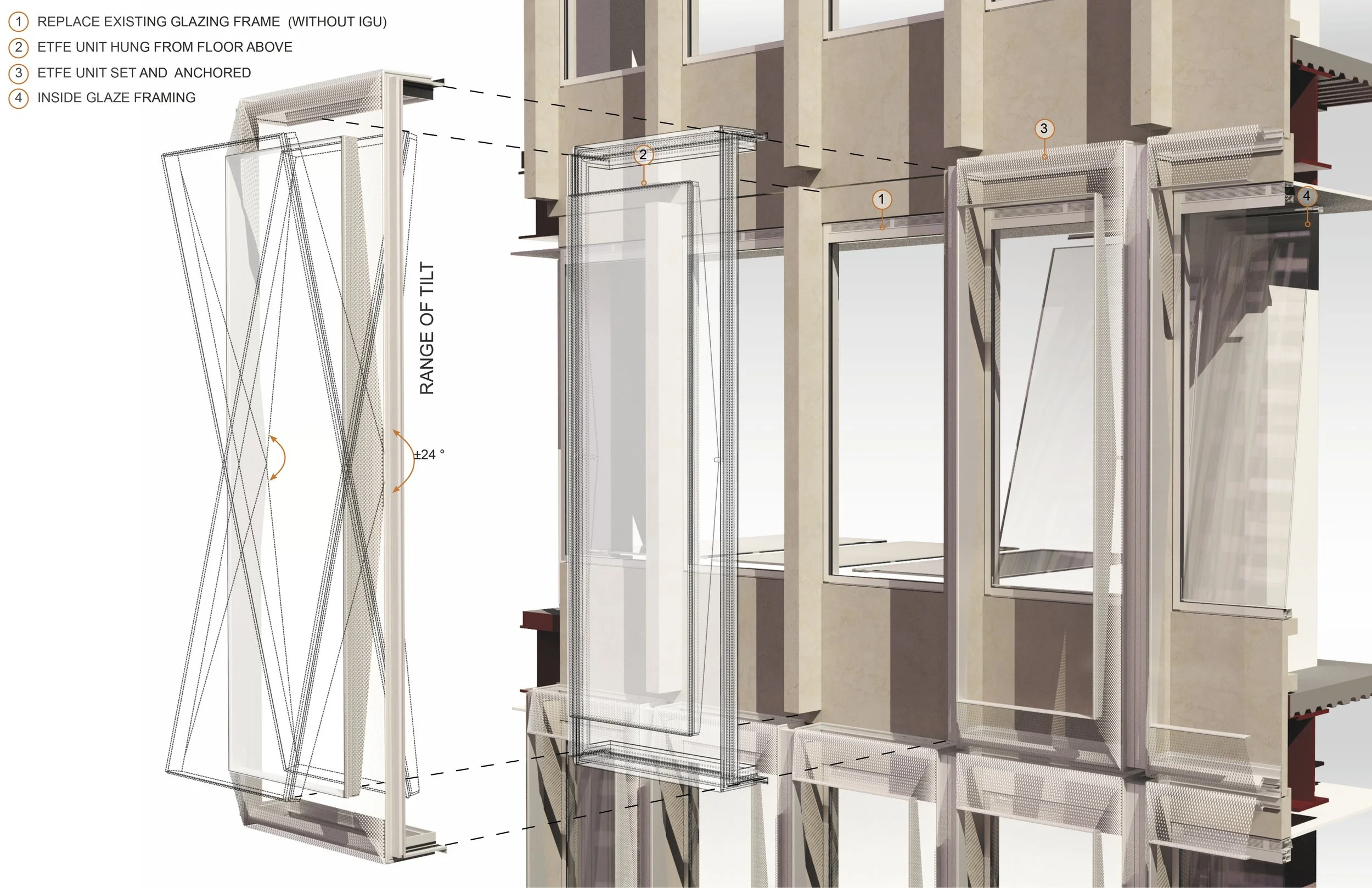
The crew on the reclad floor are tied off and can set temporary ledges off the precast unit to receive and anchor the Thermalswitch BEX™ unit to the precast façade. Once this is set, the rough opening can be reglazed with a new fiberglass frame that features an integrated trickle vent at the head to complete the recladding.
This overcladding only requires two floors to be vacated at a time; the loaded floor and the recladding floor. As the crew moves up the building the loaded floor becomes the reclad floor while the remainder of the offices above and below can continue to occupy the space until the reclad has reached them.
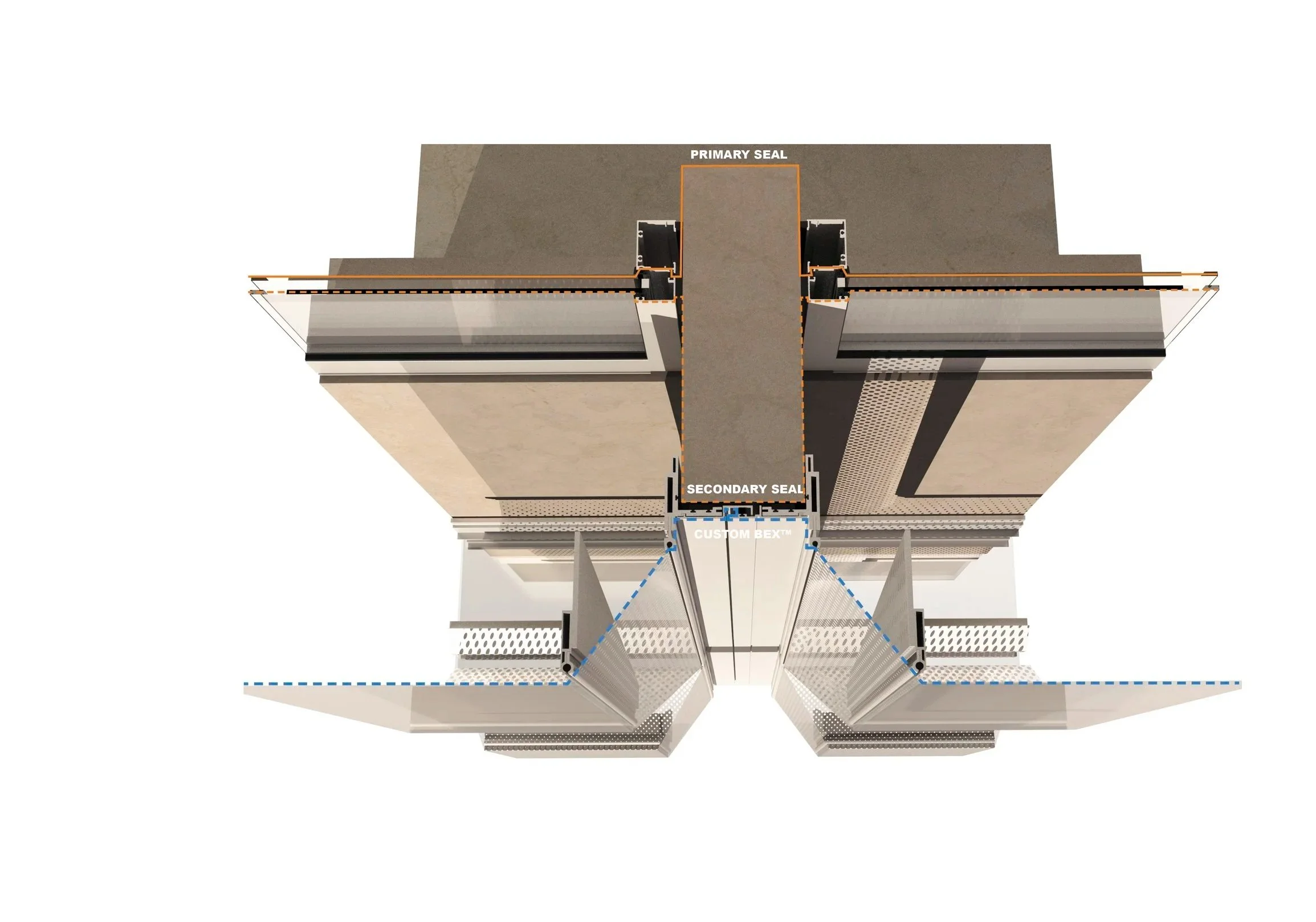
Customizable Approach
In this case study application, the Thermalswitch BEX™ panel is a single ply stretched ETFE foil to create a volumetric geometry and works as a double skin over the entire precast unit.
This double skin zone becomes a slightly vented, preconditioned cavity that enables the use of trickle vents which are integrated into the new punched window unit.
Possible Kinetics:
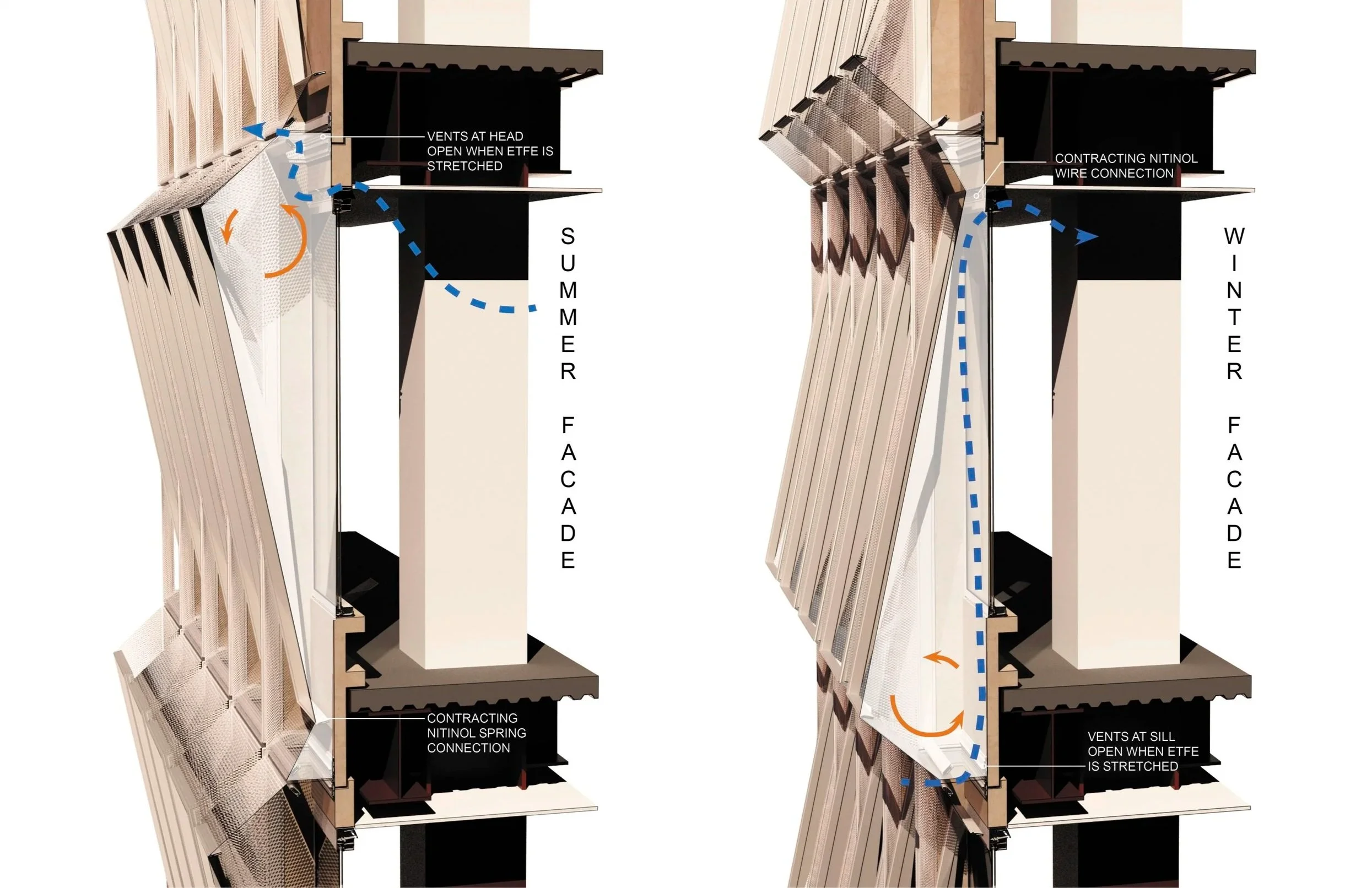
The concept behind Thermalswitch BEX™ façade unit is to create a double skin. The cavity in the double skin is a slightly vented, preconditioned cavity that tilts away or towards the sun depending on the temperature by utilizing bimetal wire. Unlike most applications where a current is run through the wire, the Thermalswitch BEX™ unit activates the bimetal passively with the ambient temperature within the cavity.
This tilting action, along with the various venting components at the top and bottom of the unit, creates a convection current which will pull outside fresh air into the cavity and warm it as it enters the office space, or vents hot air out by drawing cool air from the building core.
Thermal Performance
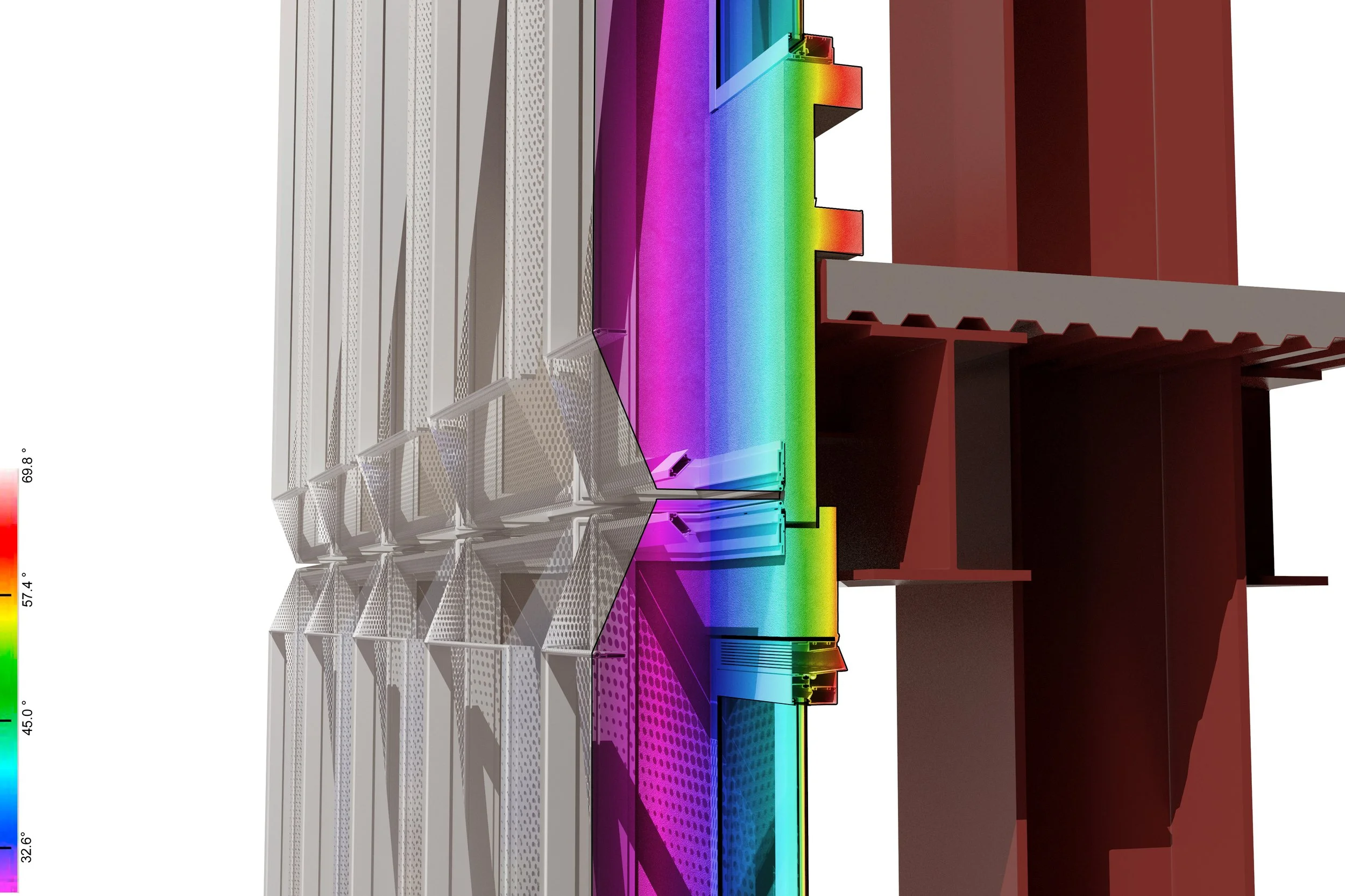
The thermal analysis shows that simply replacing the existing glazing with a new fiberglass frame and IGU with a Low-E coating does not increase the performance of the enclosure a great deal. However, by creating a preconditioned, slightly vented cavity between the existing precast and the exterior (17.3°F) the overall assembly mediates the temperature gradient better than only replacing the glazed portion of the facade.
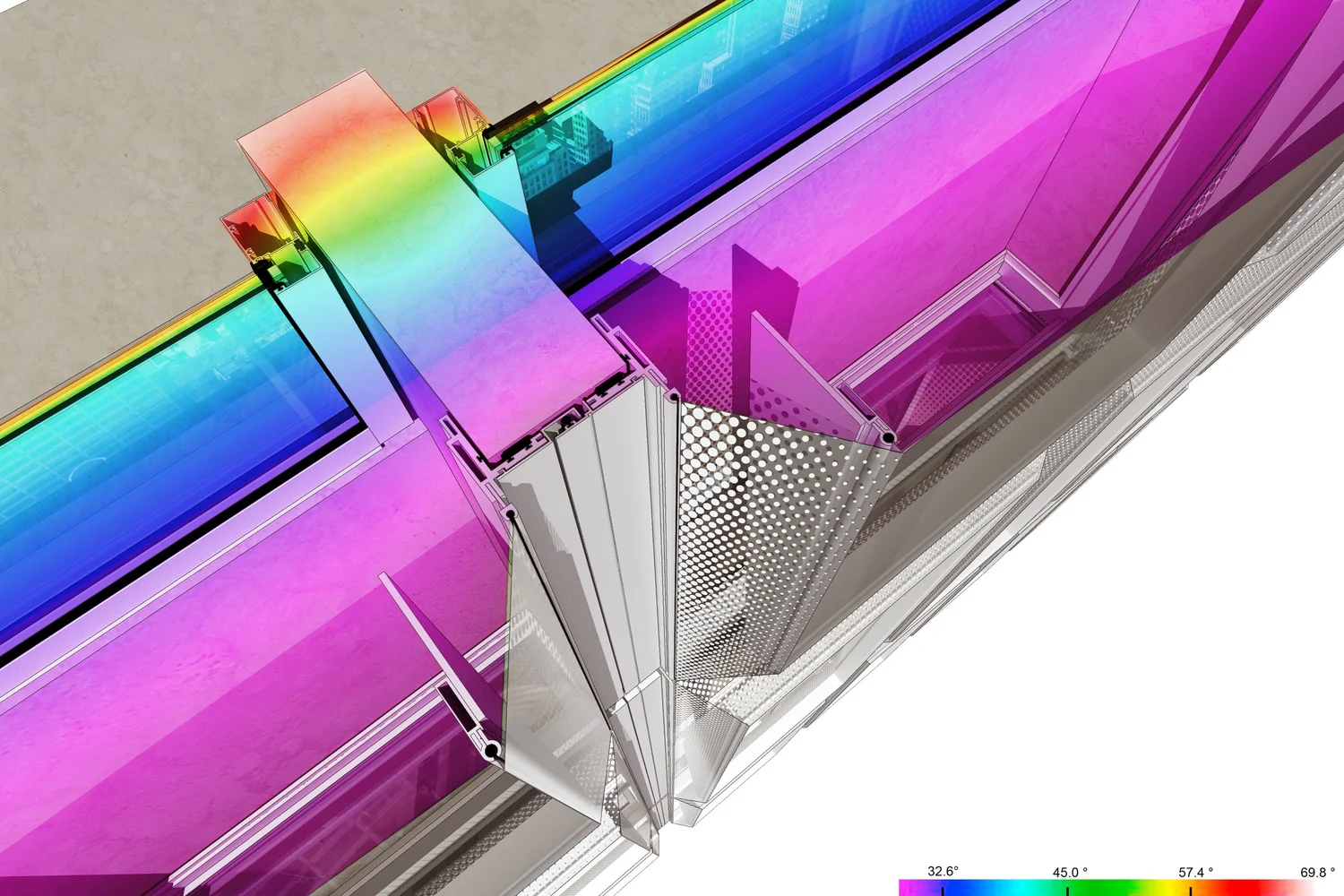
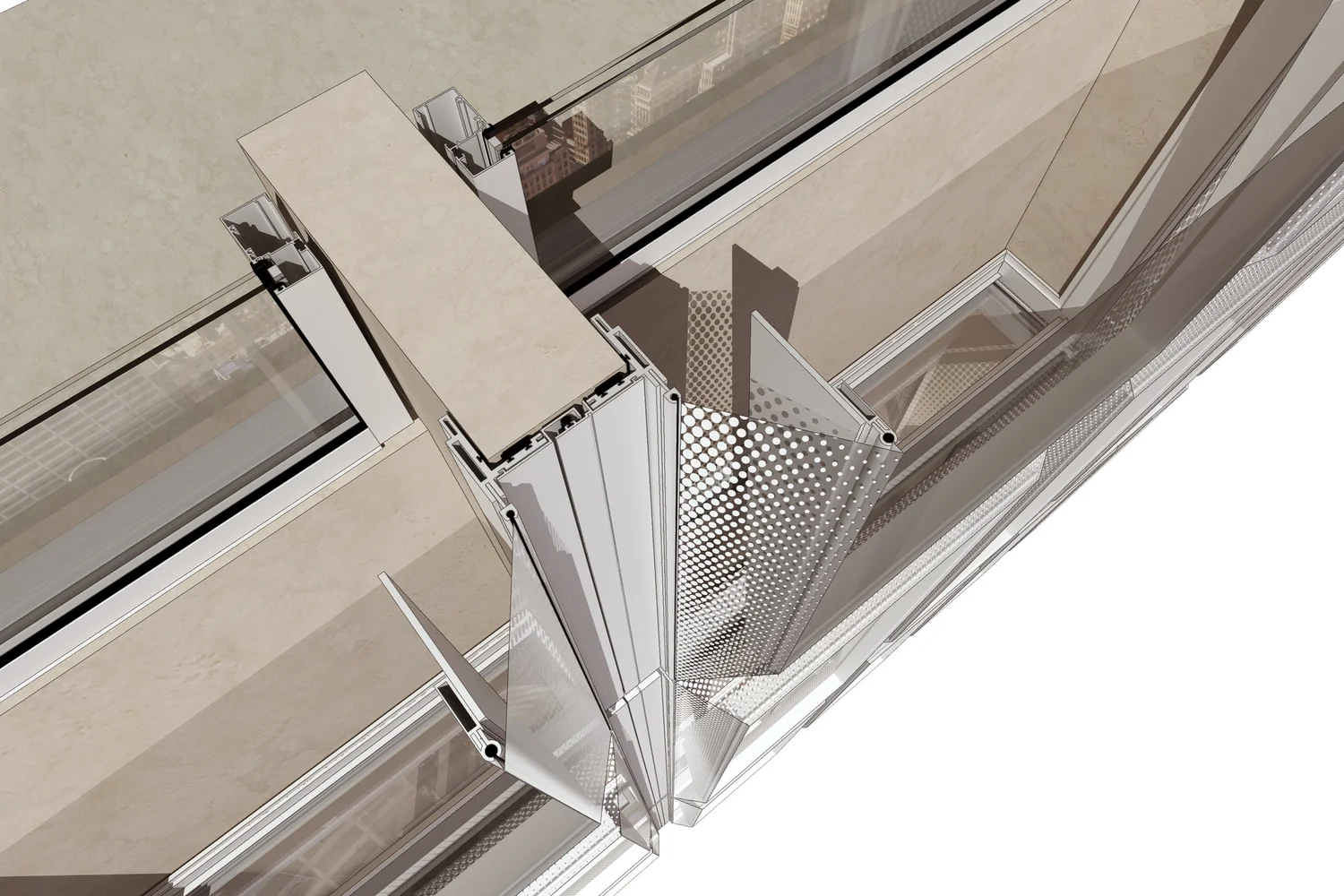
Before
After
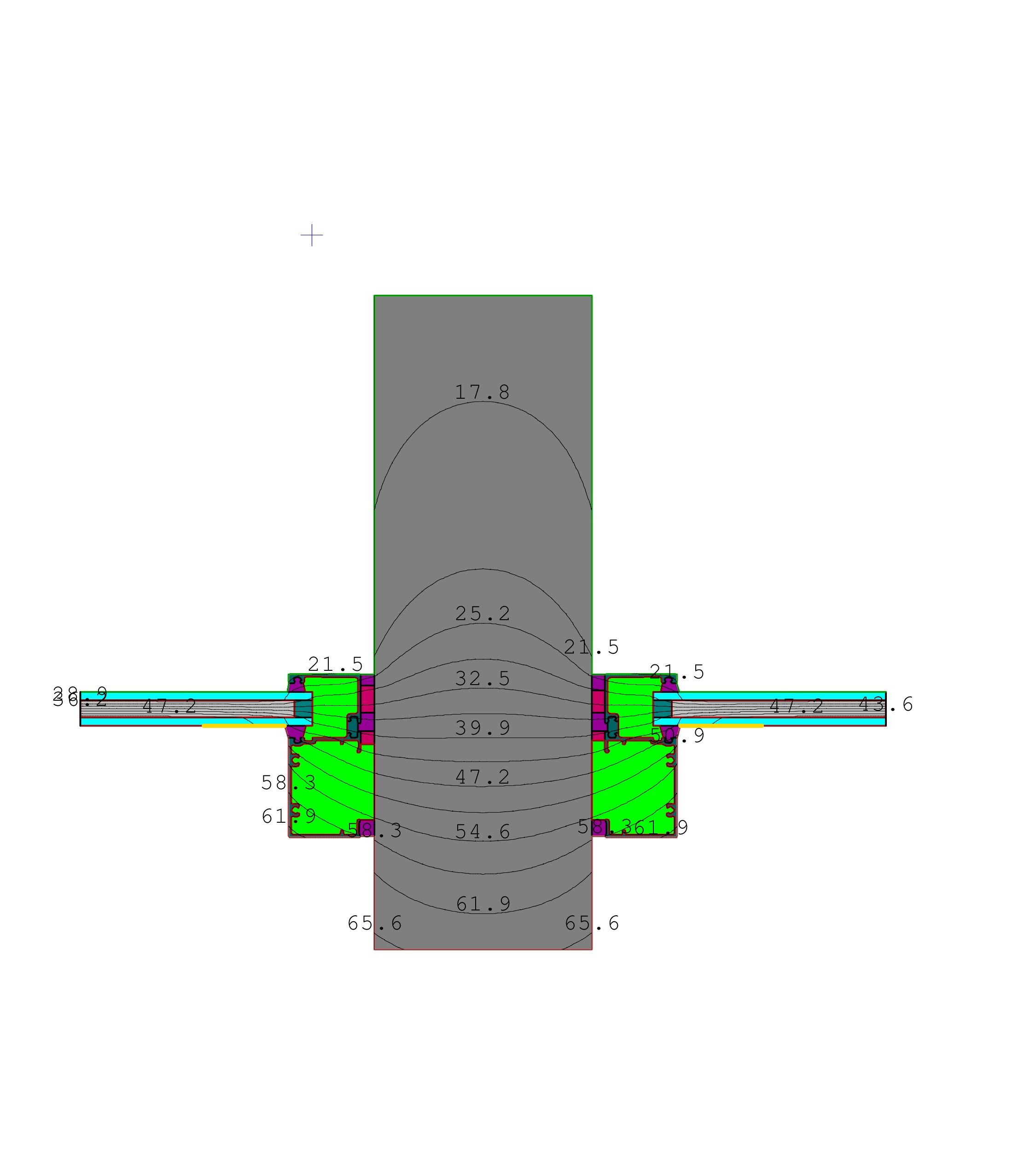
PLAN | ISOTHERM
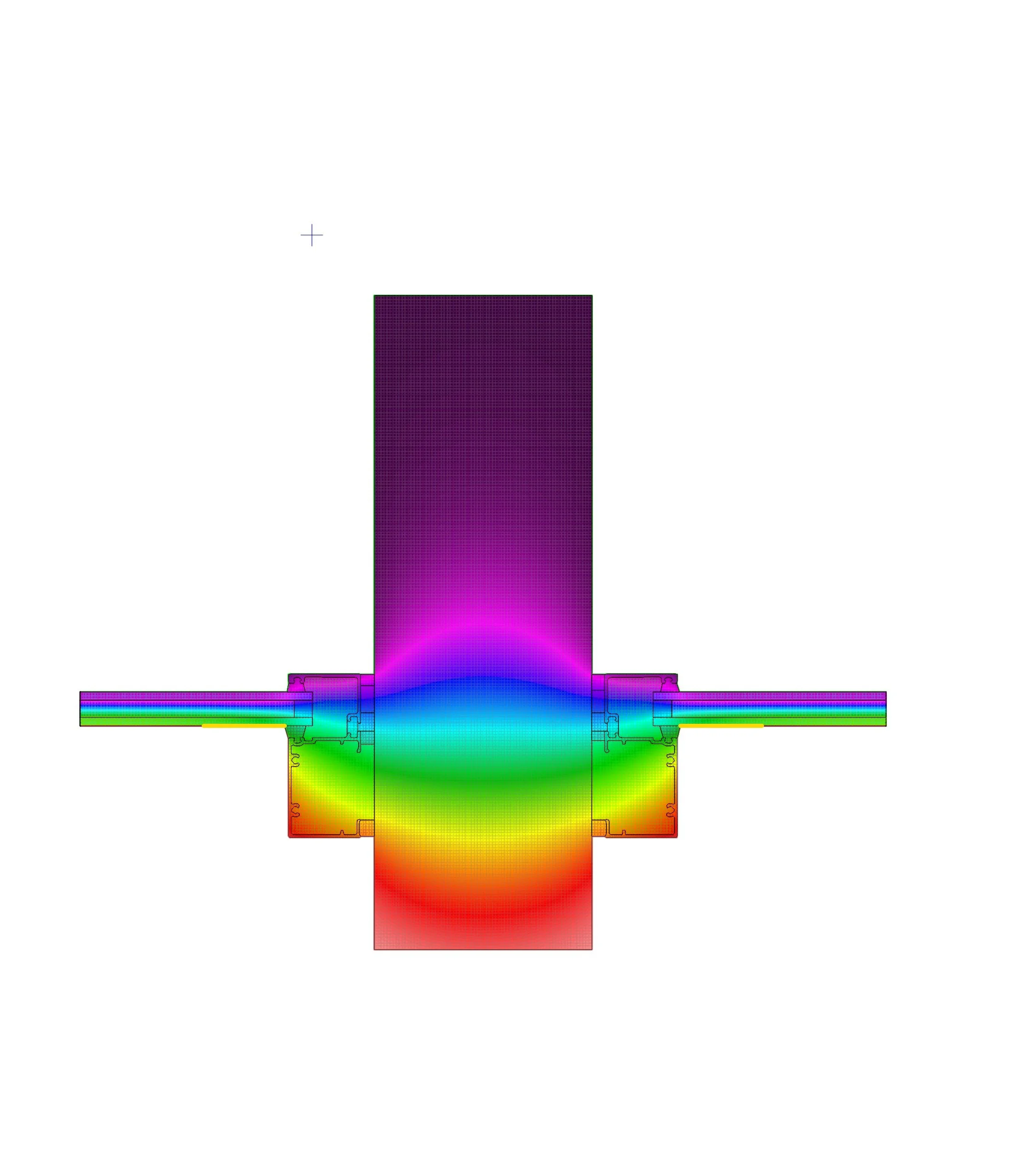
PLAN | FALSE COLOR
Daylight Analysis
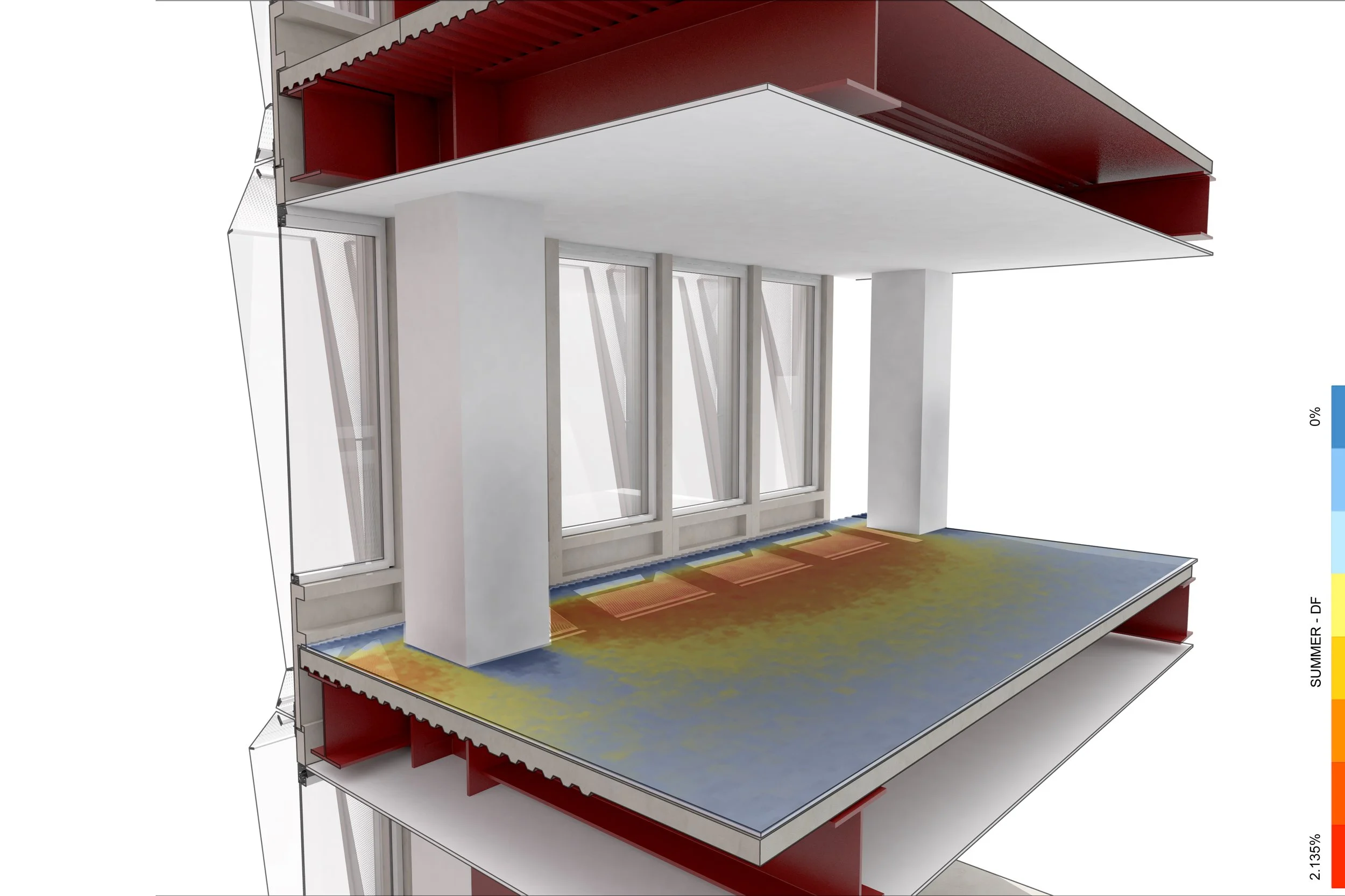
Traditional standards on the Daylight Factor (DF), as defined by the UK and North American authorities, ranges from 2% minimum and higher. The LEED scoreboard also offers 1 credit for all buildings that can achieve a minimum of 2% in 75% of all spaces which require regular visual tasks.
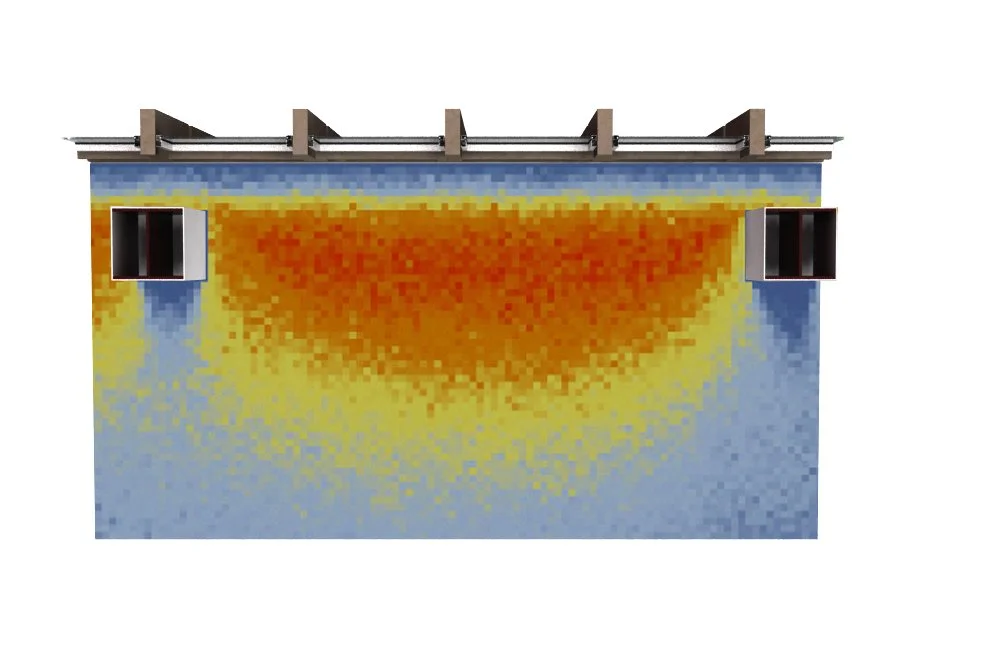
In the Met Life building, the original facade allows 3.01% DF, which still requires additional lighting some of the time. With the addition of the Thermalswitch BEX™ facade, the DF is only slightly reduced in both the summer and winter orientations. Winter seeing only a 0.45% reduction and summer a 0.875% reduction, which is above the minimum requirements. Overall, the recladding does not significantly reduce the daylight factor from the original design.
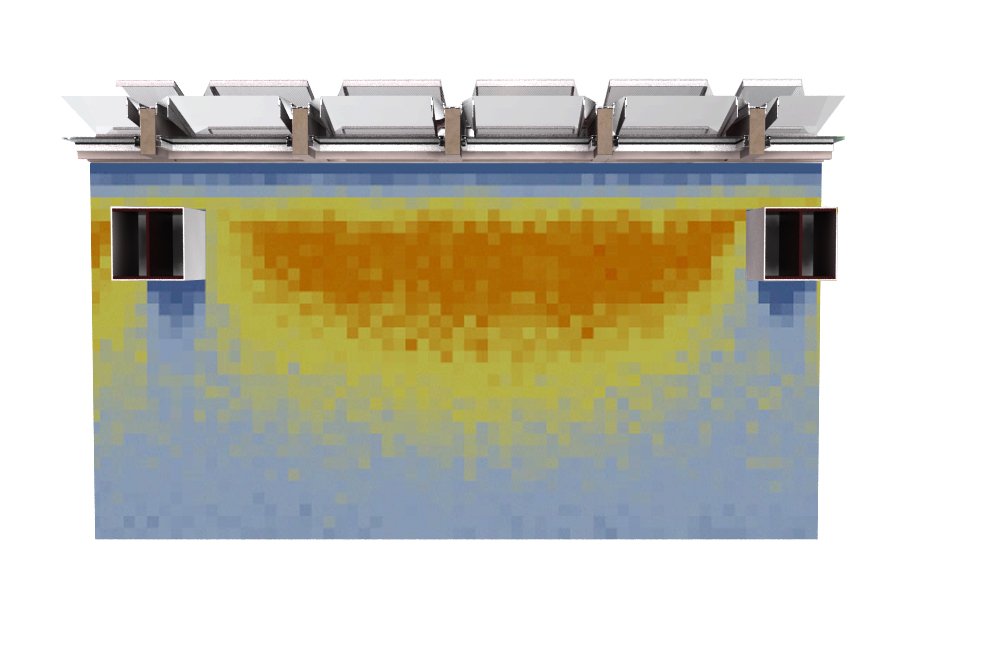
Before
After